
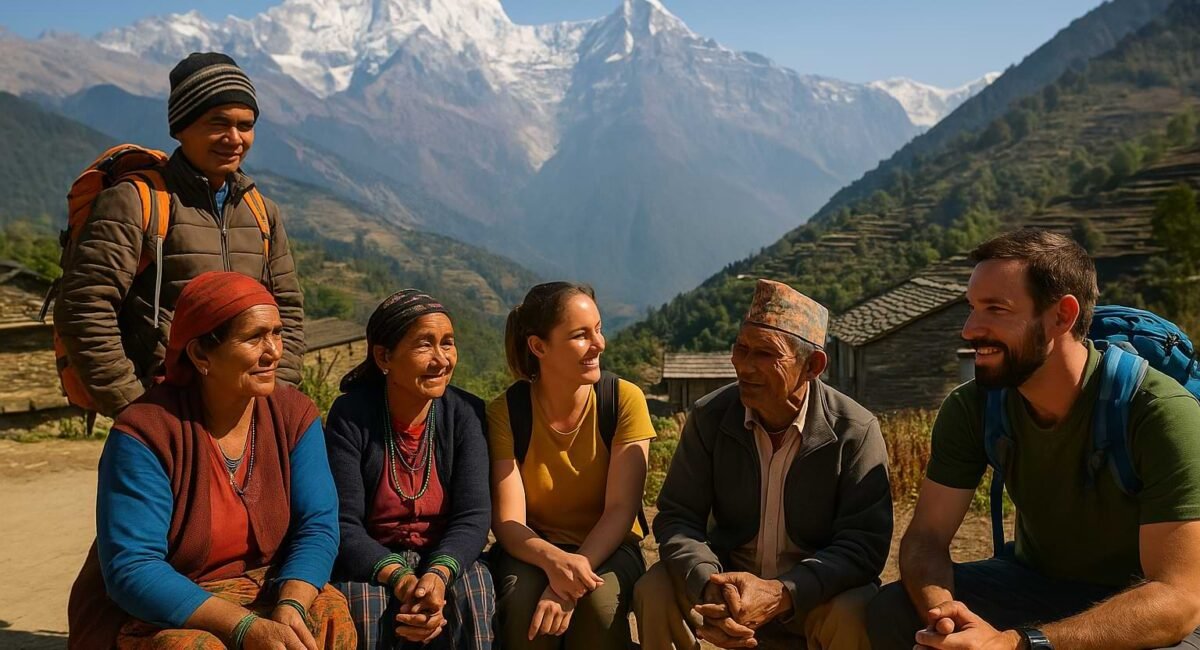
Guardians of the Himalayas: How Local Communities Protect the Mountains, Their Culture, & the Future of Sustainable Tourism
The Himalayas are often described as the “roof of the world”- a place where nature still speaks in primal tones. Snow-fed rivers flow as liquid light, oak and rhododendron forests hum with unseen life, and ancient temples sit quietly in the company of mountains that have watched civilizations rise and fall.
Yet, beneath this postcard beauty lies a truth we can no longer ignore.
The Himalayas are under pressure.
Climate change, unplanned construction, overtourism, shrinking forests, waste mismanagement, and cultural erosion are slowly reshaping the landscape and the lives of those who call these mountains home. But if there is one force strong enough to protect the Himalayas, it is not policies or technology – it is the people who live closest to the land.
Local communities are not just residents of the Himalayas;
They are the guardians, storytellers, knowledge-keepers, and silent protectors of both nature and culture.
This blog explores how Himalayan communities play a crucial role in saving their environment, preserving their rituals, and sustaining their ancient way of life – and how platforms like Ecozyra can empower them to thrive.
Why Local Communities Matter More Than Ever
Unlike large tourism companies, outside investors, and temporary workers, local Himalayan communities live with the consequences of tourism every day.
They depend on clean water, healthy forests, intact ecosystems, and stable weather patterns for their survival – be it farming, trekking, hospitality, guiding, or herding.
This makes them naturally inclined to protect:
- Forest ecosystems
- Local flora & fauna
- Clean rivers & springs
- Mountain trails
- Agricultural heritage
- Cultural traditions and rituals
- Community-led tourism practices
They have lived sustainably for generations – not because it is fashionable, but because it is the only way to survive in the mountains.
How Local Knowledge Protects the Himalayan Environment
When we speak about conservation, we often imagine wildlife officers, NGO programs, or government policies. But in the Himalayas, preservation begins in homes, farms, forests, and village gatherings.
1. They understand the land better than any outsider
Locals know:
- When landslides are likely
- How to read animal behavior
- Which plants are medicinal
- How weather shifts indicate storms
- Which trails are safe during snowfall
- How forests regenerate after grazing
This deep environmental intelligence is irreplaceable.
2. They follow traditional sustainable practices
These include:
- Farming without chemical fertilizers
- Grazing rotations to avoid overuse
- Rainwater harvesting
- Building mud and stone homes with natural insulation
- Using forest resources responsibly
These practices naturally protect ecosystems that modern tourism often threatens.
3. They are the first responders to environmental changes
Whether it’s a forest fire, sudden flood, wildlife movement, or trail erosion, it’s always the locals who act first – not external agencies. Their quick action often saves forests, homes, and lives.
4. They maintain sacred natural spaces
Many Himalayan forests, springs, meadows, and peaks are considered sacred. These beliefs often prevent over-exploitation, keeping ecosystems intact for centuries.
How Local Communities Preserve Culture, Identity & Rituals
Nature is only one part of the Himalayan story – the other is its culture.
Pahadi identity is woven with:
- Folk songs
- Festivals
- Village rituals
- Mudhouse architecture
- Local cuisine
- Traditional farming
- Herbal medicine
- Mythology and oral storytelling
Locals preserve all of this while welcoming guests into their world.
But tourism, when unmanaged, can erode these traditions. And that’s why empowering local communities through responsible tourism is essential.
Real Stories from the Himalayas: How Local Vendors on Ecozyra Protect Culture & Nature
Ecozyra is not just a website – it’s a living network of real people who are already protecting the Himalayas through their work.
Here are four incredible examples from our platform:
1. Praveen Purohit – The Wildlife Guardian of Kedarnath Sanctuary
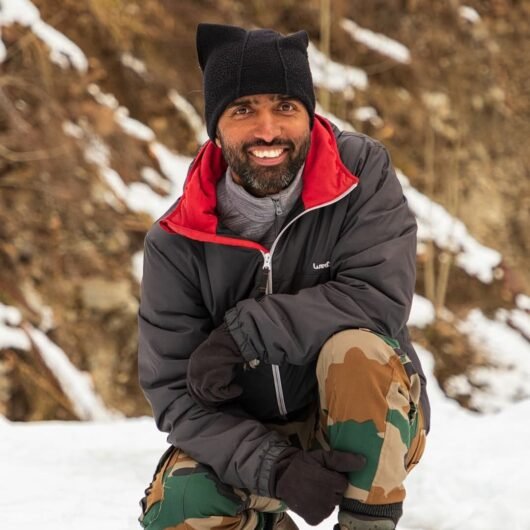
Praveen Purohit is not just a landscape and wildlife photographer – he is a storyteller of Uttarakhand’s wilderness. His birding and wildlife tours through the Kedarnath Wildlife Sanctuary teach travelers something essential:
Observation is conservation.
Through his lens, guests learn to slow down, listen to the forest, and understand the delicate balance between species, seasons, and habitats. His tours are designed not as commercial safaris, but as ecological lessons where photography becomes a tool for awareness.
Praveen’s work highlights:
- The importance of patience in wildlife tourism
- Ethical birding practices
- Non-intrusive photography
- Respect for breeding seasons and habitats
Every traveler who walks the forest trails with him returns not as a tourist, but as a defender of Himalayan biodiversity.
2. YogMatra Eco Homestay, Urgam Valley – A Living Museum of Himalayan Culture
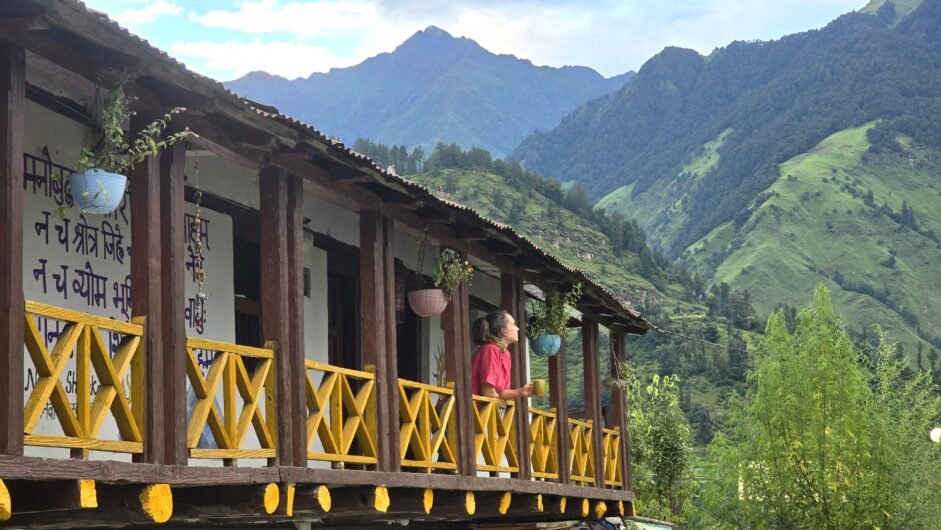
When Sachendra Pal and the YogMatra team restored a 50-year-old mudhouse, they weren’t renovating a building – they were reviving an entire way of life.
Traditional architecture is one of the biggest casualties of modern tourism, yet YogMatra stands as a rare reminder of craftsmanship, heritage, and local wisdom.
Here, guests experience:
- Mud walls that breathe
- Hand-carved wood interiors
- Traditional Himalayan food
- Meditation in raw nature
- Peaks that glow at sunrise
- Authentic Pahadi village culture
At YogMatra, tourism becomes a tool to save:
- Ancient architecture
- Local building techniques
- Cultural identity
- Community pride
Sachendra is doing something that few homestays attempt – turning tourism into cultural preservation.
3. Café Buransh, Sari Village – Preserving Pahadi Food Culture
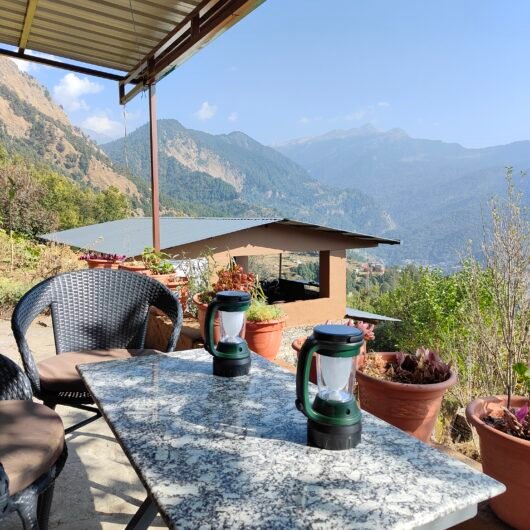
Food is storytelling, and at Café Buransh, Rajani Muraleedharan serves more than meals—he serves memory, tradition, and belonging.
Pahadi cuisine is simple yet soulful. It reflects the climate, lifestyle, and values of mountain life. But modern tourism often replaces it with fast food and western menus.
Rajani keeps the original flavours alive.
His café reintroduces travelers to:
- Millet-based meals
- Buransh juice (from the local Rhododendron flower)
- Seasonal mountain vegetables
- Traditional cooking methods
- Handmade dishes meant to be eaten by hand
Every dish becomes a cultural bridge connecting visitors to the soil, climate, and heritage of the Himalayas.
Rajani is not just a café owner – he is a custodian of Pahadi gastronomy.
4. Vinay Singh Rana – The Mountain Safety Keeper
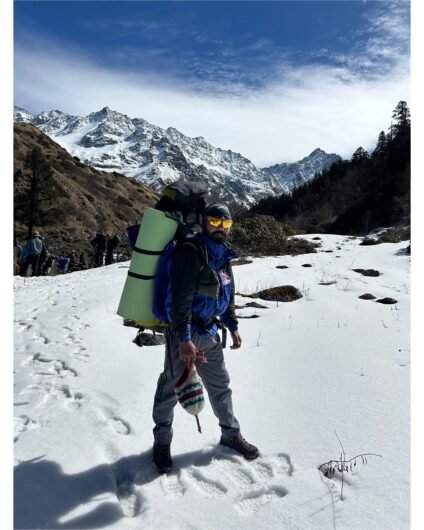
A BMC-certified trek leader with 10 years of experience, Vinay represents the heart of community-led Himalayan trekking.
Where commercial operators focus on speed and profit, Vinay focuses on:
- Trail hygiene
- Safety protocols
- Eco-conscious trekking
- LNT (Leave No Trace) practices
- Education of trekkers
- Respect for local rules and wildlife
He embodies what Himalayan trekking should be – slow, safe, and meaningful.
Vinay has guided countless trekkers across Uttarakhand, teaching them the rhythm of the mountains and the discipline required to walk lightly on fragile trails.
His presence ensures that tourism doesn’t damage:
- Alpine meadows
- High-altitude lakes
- Forest trails
- Local grazing lands
- Wildlife corridors
He is not just a trek leader – he is a guardian of Himalayan trails.
How We Can Encourage Local Communities to Lead Sustainable Tourism
To empower communities with Sustainable Tourism, we must create systems where local people feel valued, respected, and supported – not overshadowed by outside operators.
Here’s how platforms like Ecozyra help:
1. Give locals visibility
Most local vendors have skills but lack reach. Ecozyra gives them:
- Digital presence
- Organic visibility
- Easy bookings
- Direct connection with travelers
This reduces dependency on commercial agents.
2. Educate travelers on ethical tourism
Guidelines offered through listings and blogs help tourists understand:
- How to behave respectfully
- How to reduce environmental impact
- What to expect from local culture
3. Promote community-first services
Homestays, local trekking, local food, agro experiences – these keep income within the village.
4. Build pride in cultural heritage
When locals see travelers appreciate their rituals, architecture, cuisine, and traditions, they regain pride and continue preserving them.
5. Ensure fair compensation
Direct bookings → no exploitation → stable income → happier communities.
The Future of the Himalayas Depends on Its People
If we want the Himalayas to thrive, we need to empower the people who live there – not replace them with large commercial tourism chains.
The future belongs to:
- Eco homestays
- Local guides
- Community-led trekking
- Farm stays
- Cultural experiences
- Village-based cuisine
- Conservation-driven tourism
The Himalayas don’t need saving from the outside.
They need support for the people who already protect them from within.
Ecozyra’s mission is simple:
Let locals lead. Let travelers learn. Let nature heal.
Leave a Review
There are no reviews yet. Be the first one to write one.